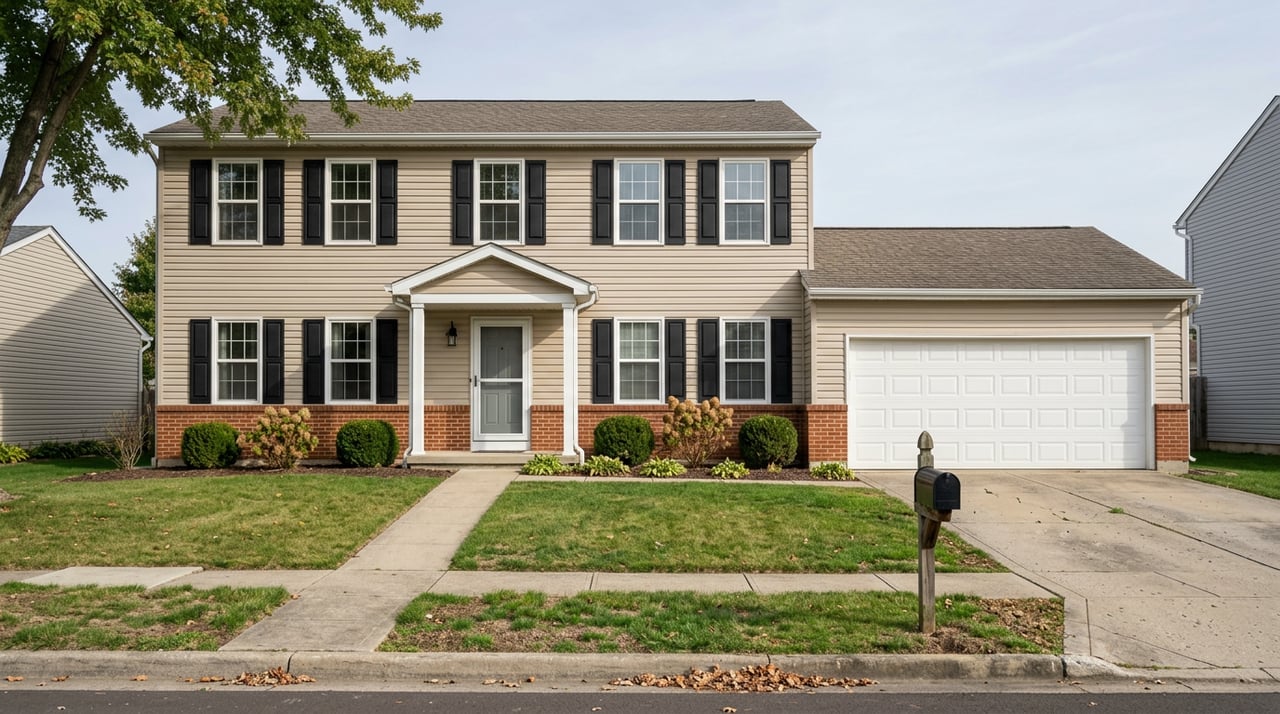
Wondering if you should list your Huber Heights home now or wait for spring? You are not alone. With prices and days on market shifting month to month, it can feel risky to choose a date. In this guide, you will see what local numbers say, how rates and seasonality play in, and a simple way to decide based on your timing and goals. Let’s dive in.
Huber Heights market now
Recent data shows a market that still leans toward sellers at the regional level while city-level signals in Huber Heights vary by data source and timing. Different vendors report median prices between roughly 204,000 dollars and 235,000 dollars, and days on market range from the low 30s to the high 40s depending on the snapshot window. That spread is normal when you compare closed sales, listing prices, and value indexes across different months.
Across the Dayton region, inventory remains tight. The Dayton REALTORS MLS reported about 1,926 active homes at the end of February 2026, which translates to roughly a 2‑month supply. A months‑supply under about 3 months often favors sellers because buyers have fewer options and well‑priced homes move faster. You can review regional trends in the Dayton REALTORS housing data.
Prices at a glance
- City-level medians vary by source and date. Recent snapshots show a range near 204,000 to 235,000 dollars for typical Huber Heights homes.
- The 2025 MLS summary for Huber Heights recorded 585 closed sales, a median sale price around 222,500 dollars, and an average sale price near 237,883 dollars for the year.
- Takeaway: use these as direction, not a price quote for your house. Street-level comps from the MLS are the best way to price your specific address.
Inventory and speed
- Regionally, months‑of‑supply sits near 2 months, which is seller‑tilted.
- Days on market vary by dataset, with recent reads from the low 30s to upper 40s. That means pace depends on price point, condition, and strategy.
- Takeaway: market‑ready homes that are priced right can still draw fast interest, especially in entry to mid price tiers.
What timing means for you
Two forces matter right now: seasonality and mortgage rates. Spring typically brings more buyers to the table. Industry research and local patterns point to mid‑April through May as a high‑opportunity listing window. If you can prepare your home well and time your launch for that period, you may see faster showings and stronger offers.
Rates also affect demand. Freddie Mac’s latest weekly average shows the 30‑year fixed at about 6.00% as of the week of March 5, 2026. When rates ease from the high 6s or 7s toward 6, more buyers typically re‑enter the market. Nationally, the outlook calls for an increase in existing‑home sales in 2026 if rates hold near that level, though recovery will vary by metro. You can see that context in NAR’s 2026 forecast.
Bottom line: if you need to sell soon, the current market can support a well‑priced listing. If you can wait and prep, targeting the spring surge can help you maximize results.
A simple sell‑now vs wait framework
Use three lenses to choose your best timing: timeline, net proceeds goal, and replacement housing plan.
If you need to move in 0–3 months
List now with a pricing strategy that attracts early showings. With regional supply near 2 months and steady buyer interest, you can position for a timely offer if you price to the market and launch with strong marketing. Ask for a closing window or short rent‑back if you need a little time on the back end to move.
If you can wait 6–12 weeks
Use the next month or two to complete targeted repairs and staging, then list into mid‑April through May. Spring buyer activity can translate into better traffic and, at times, slightly stronger pricing for well‑prepared homes. The key is to be market‑ready: polished presentation, clean pre‑list paperwork, and realistic pricing anchored to MLS comps.
If you will buy after you sell
Plan for today’s mortgage costs and watch weekly rate moves. If rates were to dip below 6% for a stretch, more buyers could enter and more homes could list, which would change your trade‑up options. If you are sensitive to monthly payment increases compared to your current loan, talk through options like an extended closing or short rent‑back so you do not rush the purchase side. Keep an eye on local months‑supply and the weekly rate average to time your steps.
If your home stands out
Homes with recent renovations or limited direct competition can perform well in any season. If your property falls into that bucket, you may list when you are truly market‑ready rather than waiting on the calendar. Still, verify demand with a fresh CMA so your list price reflects current buyer behavior.
What to watch each week
- Months‑of‑supply in the Dayton MLS. If it rises toward 3 to 4 months, buyers gain leverage. You can track regional trends via Dayton REALTORS housing data.
- Local days on market and sale‑to‑list ratio. If days stretch and sale‑to‑list slips, the market may be softening, which argues for sharper pricing and stronger marketing.
- The 30‑year fixed weekly average. A steady move lower often unlocks more buyers, which can help your sale, but it may also add competition when you purchase. Check Freddie Mac’s weekly read.
Your pre‑list checklist
- Order an MLS‑based CMA and a net proceeds estimate. Do not rely on a single online valuation. Ask for closed comps from the last 6 to 12 months near your property type and price band. Regional MLS stats are published by Dayton REALTORS.
- Choose your launch window. If you can prep, circle mid‑April to May. If you need speed, list as soon as your home is market‑ready.
- Complete targeted repairs. Focus on items that show up in buyer inspections, safety issues, and simple curb appeal wins.
- Stage and declutter. Clean, neutral rooms photograph well and help buyers focus on space and light.
- Invest in pro photography and video. Quality media drives clicks and showings, which shortens days on market.
- Consider a pre‑inspection if you are selling now. It can reduce surprise repair asks and speed negotiations.
- Set a pricing strategy. Anchor your list price to recent, relevant comps. Plan price‑review checkpoints at day 10 and day 21 so you can adjust based on traffic and feedback.
- Prepare contract logistics. Discuss rent‑back options, inspection timelines, and appraisal gap strategies before you list so you can respond fast to offers.
How to price with confidence
Because city‑level medians differ by source and month, your best guide is a fresh CMA that compares like‑for‑like homes. Look closely at:
- Pending listings in your micro‑area, which hint at where today’s buyers are writing offers.
- Condition, upgrades, and lot differences that justify a premium or discount.
- Sale‑to‑list ratios for the past 90 days at your price tier.
Use the regional context as your backdrop. A seller‑tilted 2‑month supply favors clean, well‑priced listings. If months‑of‑supply rises or days on market stretch, tighten pricing or add incentives early rather than chasing later.
Strategic tips for a smooth sale and purchase
- If you are buying next, build a budget with today’s rates, then revisit if weekly averages shift. See Freddie Mac’s weekly average for context.
- Consider timing levers that reduce pressure: a rent‑back, extended closing, or a short interim rental if you need flexibility.
- If you own a low‑rate mortgage, weigh the cost of replacing that payment against your lifestyle needs. Sometimes waiting for your best spring window and selling into higher traffic can help offset payment changes.
How I help Huber Heights sellers
You deserve clear guidance, not pressure. I pair neighborhood‑level pricing insight with disciplined, high‑quality marketing, then negotiate with your goals front and center. Whether you need to move fast or you want to prep for a strong spring debut, I will map out the steps, handle the details, and keep you informed.
Ready to talk strategy for your home in Huber Heights? Schedule a free, no‑pressure consultation with Donte Scott. We will review your timeline, your numbers, and a simple plan to list with confidence.
FAQs
What is the best month to sell a home in Huber Heights?
- Spring often brings more buyers, and many sellers who can prepare well aim for mid‑April through May to capture that activity.
Are we in a seller’s market in the Dayton area right now?
- The Dayton MLS reported about a 2‑month supply at the end of February 2026, which leans toward sellers at the regional level.
How fast are Huber Heights homes selling in early 2026?
- Days on market vary by dataset, with recent reads from the low 30s to upper 40s, so pace depends on price point, condition, and strategy.
How do current mortgage rates affect my sale and purchase?
- With the 30‑year fixed near 6.00% in early March 2026, more buyers may re‑enter, which can help your sale; if you are buying next, budget for today’s payment and adjust if rates move.
How should I price my Huber Heights home today?
- Use a fresh MLS‑based CMA focused on recent local comps and plan early checkpoints to adjust based on showings, feedback, and the sale‑to‑list ratio you see in your price tier.
