Thinking about moving to Beavercreek? You want a suburb that balances easy commutes, solid amenities, and a calm, family-friendly rhythm. You also want clear, practical details before you decide. In this guide, you’ll learn what daily life looks like, how the neighborhoods feel, where you’ll shop and play, and what to consider before you buy. Let’s dive in.
Location and daily rhythm
Beavercreek sits in Greene County, just east of Dayton and near Wright‑Patterson Air Force Base. It’s part of the Greater Dayton metro, so you can reach downtown Dayton and other regional employers within a reasonable drive. Weekdays follow a typical commuter pattern, with most trips by car. Evenings and weekends tend to center around parks, local dining, and shopping hubs.
Neighborhoods and housing
Home types you’ll see
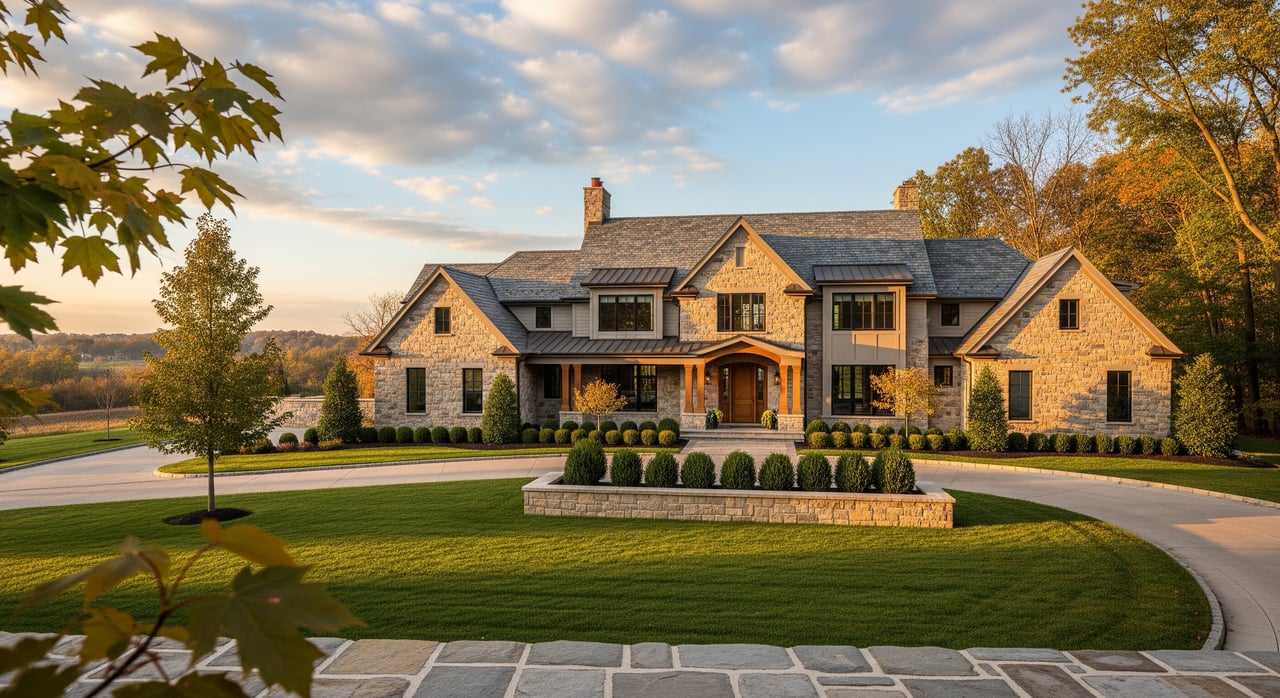
Most homes are single-family properties in both established neighborhoods and newer subdivisions. You’ll find ranches, split-levels, colonial styles, and modern builder communities. Townhomes, duplexes, and small apartment communities offer options for renters.
Older vs. newer areas
Older neighborhoods closer to the city center often have mature trees, sidewalks, and mid-century homes. Newer subdivisions usually offer larger lots, open-concept layouts, and may include homeowners’ associations. If an HOA is important to you, ask about community standards, fees, and amenities as you tour.
Ownership and renting
Beavercreek leans owner-occupied, with rental options available but less common than in urban cores. If you plan to rent first, expect smaller complexes and townhome communities to be your main options. For buyers, weigh lot size, yard maintenance, and the age of major systems as you compare homes.
Commuting and getting around
Roads and drive times
You’ll have straightforward highway and state route access to Dayton and nearby job centers. Peak times follow a typical suburban flow, with heavier morning and late afternoon traffic. Plan a test drive at your expected commute hour to confirm timing from each neighborhood.
Public transit and trails
Public transit exists but is limited compared with an urban core. Most households rely on cars for daily errands and work. Walkability varies by area, and while you’ll find multi-use paths and recreational trails, not every neighborhood is set up for bike or pedestrian commutes.
Proximity to employers
Wright‑Patterson Air Force Base is a major nearby employer. Commutes to downtown Dayton and other hubs are generally moderate, depending on your exact location and traffic patterns. If proximity to the base matters, focus your search on neighborhoods with direct route options.
Shopping, dining, and services
Everyday errands and retail
You’ll have convenient access to national chains and local businesses for groceries, pharmacy needs, and daily errands. The city also benefits from at least one larger open-air or mixed-use shopping center that draws dining and retail options together. Most destinations are a short drive from residential areas.
Dining and nightlife
Dining ranges from family restaurants and fast-casual spots to local independent eateries. Nightlife is low-key, with casual bars and patios more common than late-night venues. If you prefer a quieter scene with easy weeknight options, Beavercreek fits well.
Healthcare access
Beavercreek is served by regional hospital systems in the Dayton metro. You’ll find local urgent care and primary care offices in the city, with specialists and hospital services a short drive away. If specific care matters to you, confirm locations and network coverage before you move.
Parks, schools, and community
Parks and recreation
The city maintains a network of parks, sports fields, and recreational facilities that stay busy with youth sports and community programs. Greene County and the broader Miami Valley offer regional trails and nature areas for hiking and biking. Golf courses, community pools, and seasonal events are part of the local rhythm.
Schools and learning
Public K–12 education is provided primarily by Beavercreek City School District, with neighborhood elementary schools and centralized middle and high schools. Families often review state report cards and program offerings like AP, special education, and extracurriculars when choosing a neighborhood. Always verify school boundaries for a specific address before making an offer.
Community life
Beavercreek has a suburban, family-oriented feel with active civic involvement. You’ll notice a visible military-connected population due to the nearby base, which adds resources geared toward those households. Seasonal events, sports leagues, libraries, and community centers round out the calendar for kids and adults.
Practical buying tips
- Verify property taxes with the Greene County auditor and compare examples for your price range.
- Confirm utility providers for water, sewer, and trash at the specific address.
- Check for HOAs, covenants, and any zoning considerations in newer developments.
- Do drive-time tests during peak hours to your workplace and frequent destinations.
- Review FEMA flood maps and county planning resources for natural hazard considerations.
- Confirm school district boundaries and review Ohio Department of Education report cards.
- If you are relocating for Wright‑Patterson or using a VA loan, ask for a timeline and inspection plan that fits those requirements.
Is Beavercreek a fit for you?
Choose Beavercreek if you want suburban space, convenient shopping and services, and a commute-friendly base for Dayton-area jobs. It works well for households who value yards, neighborhood schools, and access to parks and trails. If you prefer dense, transit-first living or late-night nightlife, you may find more options in urban cores. The best next step is to compare a few neighborhoods, test a commute, and tour homes that match your wish list.
Ready to explore Beavercreek with a local, no-pressure guide? I help families, first-time buyers, and military clients align timing, financing, and neighborhood fit so your move feels simple and confident. When you’re ready, reach out to Donte Scott to schedule a free consultation.
FAQs
How far is Beavercreek from downtown Dayton?
- It’s within the Dayton metro, with drive times that vary by neighborhood and traffic; plan a test drive at your typical commute hour.
What is public transit like in Beavercreek?
- Bus connections exist but are limited; most daily trips are by car, with variable walkability and some multi-use paths for recreation.
Are there good shopping and dining options in Beavercreek?
- Yes, you’ll find grocery stores, national retailers, local businesses, and a larger open-air shopping hub with multiple dining choices.
What should buyers know about Beavercreek schools?
- The area is served by Beavercreek City School District; verify address-specific boundaries and review state report cards and programs.
Is Beavercreek a good option for Wright‑Patterson employees?
- Yes, its proximity makes commuting feasible for many; compare neighborhoods based on route options and peak-hour timing.
How walkable is Beavercreek overall?
- Walkability varies; some older areas and commercial centers are walkable, while many subdivisions are car-oriented with recreational trails nearby.
